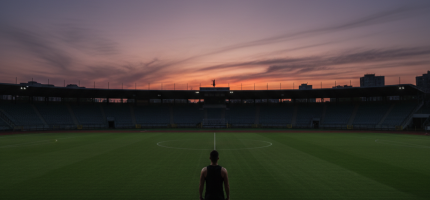
The first year after retirement from professional sports can be a critical period for athletes, marked by significant changes both mentally and physically. Transitioning away from the structure and camaraderie of competitive sports often leads to feelings of loss, uncertainty, and even identity crises as former athletes navigate life outside the spotlight. Understanding the challenges they face, including mental health struggles and the need for a new sense of purpose, is essential for fostering resilience during this transitional phase. This article explores the importance of the first year post-retirement, offering insights and strategies to help former athletes avoid potential pitfalls and thrive in their new lives.
Understanding the Transition: The First Year Post-Retirement
Retirement from sports isn’t just a change of job title; it’s a shift in lifestyle. Athletes go from being the star of the show, with a packed schedule and a regimented routine, to facing a blank calendar and, often, a mountain of uncertainty. This first year can feel like a rollercoaster, with ups, downs, and more twists than a pretzel. It’s crucial to navigate this phase with a clear understanding that, like any good playbook, it requires strategy and adaptability.
Statistics on Athlete Retirement
According to various studies, a staggering 30-40% of retired athletes report significant challenges during the first year after hanging up their jersey. That’s right—those who used to tackle opponents on the field now tackle existential questions like, “What now?” The statistics don’t lie: former athletes are at an increased risk of mental health issues, including depression and anxiety, as they adjust to life after the spotlight fades. Knowing these numbers can help frame the conversation, making it clear that you’re not alone on this journey.
Mental Health Challenges: Common Struggles Faced by Retired Athletes
Depression and Anxiety
When the cheers stop, it’s not uncommon for silence to be deafening. Many retired athletes experience a profound sense of loss, leading to feelings of depression and anxiety. The end of a sports career can trigger major life adjustments, and without a game to focus on, the mind can spiral into negative thoughts. Remember, the first step in battling mental health issues is acknowledging that they are real.
Identity Crisis After Sports
Who are you when you’re not “the athlete”? This is perhaps the toughest question to navigate. Many former athletes tie their identity to their sport, and when they retire, it can feel like losing a part of themselves. This identity crisis can cause feelings of aimlessness and confusion. It’s essential to begin exploring new passions, hobbies, or even career opportunities—be it coaching or something entirely different.
Staying Active After the Game
Changes in Physical Activity Levels
Post-retirement, many athletes find themselves transitioning from the daily grind of intensive training to a more sedentary lifestyle, which can lead to a rapid decline in fitness levels. This shift can be a wake-up call, as some may find that their bodies don’t bounce back as quickly as they used to. Embracing the change and finding new ways to stay active—such as hiking, yoga, or even dancing like no one’s watching—can help mitigate the physical toll of retirement.
Developing a New Exercise Routine
This is where creativity comes into play! The key to staying physically fit post-retirement is finding an exercise routine that sparks joy (yes, even for tough athletes). Mixing things up with diverse activities will not only keep you physically engaged but also mentally stimulated. Whether it’s joining local leagues, fitness classes, or adventurous activities like rock climbing, the goal is to keep moving and challenge yourself in ways that are enjoyable rather than tedious.
Finding Community Among Peers
Connecting with fellow retired athletes can provide a unique sense of camaraderie and understanding. Whether it’s through alumni groups, local meet-ups, or social media platforms, finding a community where you can share experiences, resources, and insights can make a world of difference. After all, who better to navigate the ups and downs of retirement than those who have walked the same path? Embrace the buddy system—because sometimes, all you need is someone who gets it to remind you that life after sports can be just as rewarding.Finding New Purpose: Exploring Life Beyond Sports
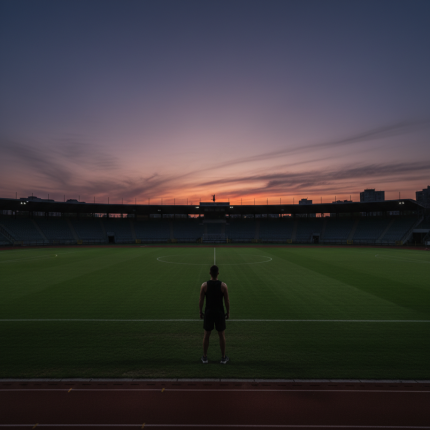
Volunteering and Giving Back
What better way to channel all that competitive energy than by giving back? Volunteering isn’t just about high-fiving a kid on the field; it’s about making an impact. Whether coaching, mentoring, or supporting local charities, retired athletes can find fulfillment in shaping the lives of others. Plus, the stories and connections made in the process can be just as rewarding as any championship trophy. It turns out, sometimes the best play is one that doesn’t make the highlight reel.
Professional Resources: Seeking Help from Experts
Let’s face it: saying goodbye to a sports career can feel a bit like breaking up with a long-term partner. And just like any breakup, sometimes you need a little help to navigate the emotional rollercoaster. Enter therapists and counselors specializing in athlete transition. These pros can provide tailored strategies to cope with loss, identity shifts, and mental health challenges. So, unleash your inner vulnerability and get that support—no shame in the game!
Frequently Asked Questions
What are the common mental health issues faced by retired athletes?
Retired athletes often experience mental health challenges such as depression, anxiety, and an identity crisis. The sudden loss of the competitive environment and the structure of training can lead to feelings of isolation and uncertainty about their future.
How can retired athletes stay physically active after retirement?
Retired athletes can stay physically active by developing a new exercise routine that suits their interests, such as joining recreational sports leagues, taking fitness classes, or engaging in activities like hiking or yoga. Maintaining physical activity is essential for both physical health and mental well-being.
What role do support systems play in the transition after retirement?
Support systems, including family, friends, and fellow athletes, play a crucial role in helping retired athletes navigate the transition. Open communication and shared experiences can provide emotional support and encouragement, making the adjustment period smoother and less isolating.
Are there resources available for retired athletes seeking help?
Yes, there are various resources available, including therapists and counselors who specialize in athlete transition, support groups, and networks tailored for retired athletes. These resources can provide valuable guidance and support during this significant life change.